...
Light: astronomical past

The Big Bang and the Birth of Stars

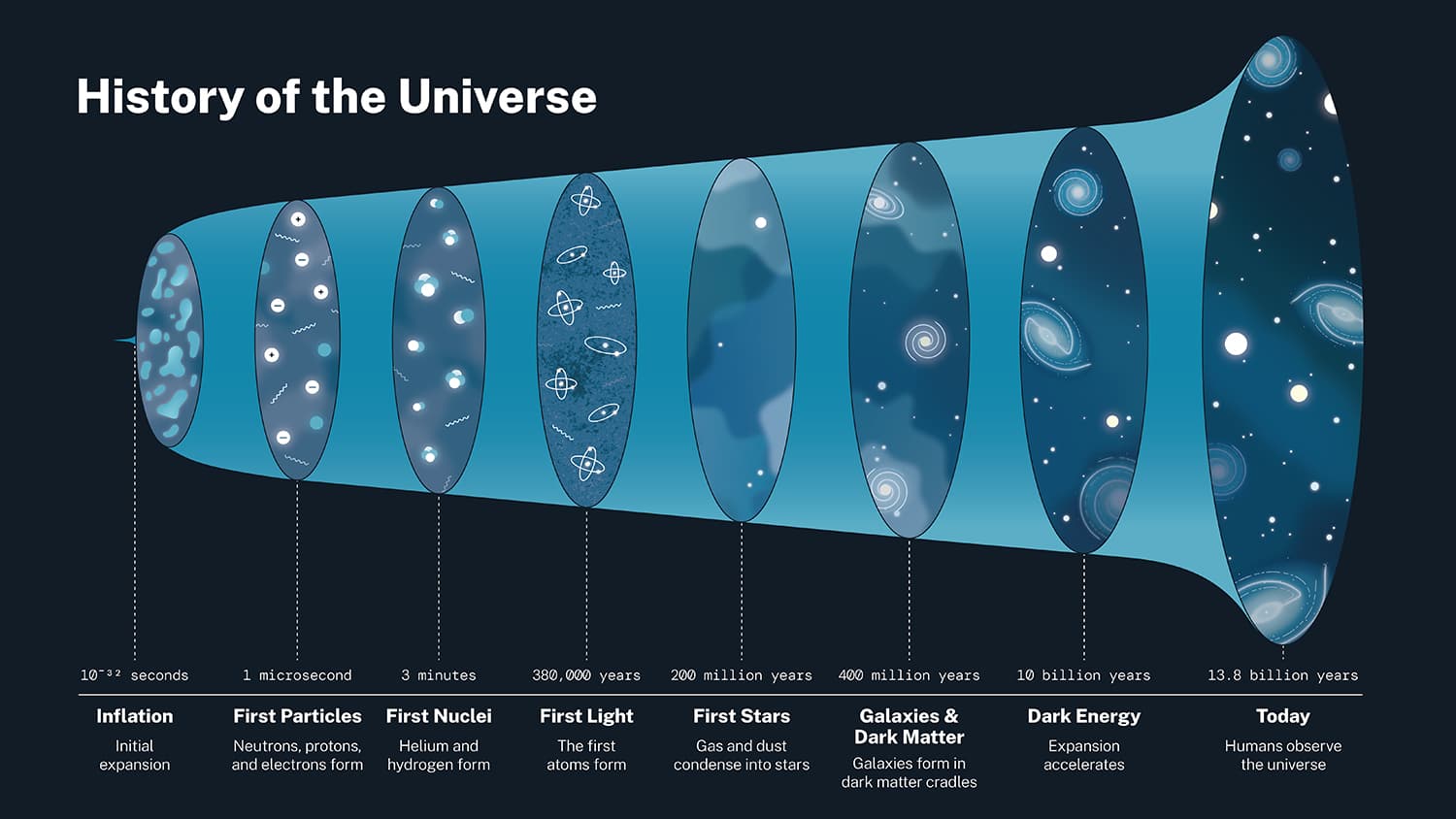
According to the Big Bang theory, which attempts to explain the first moments of the universe, the entire universe, concentrated in an infinitesimal point, underwent rapid expansion 13.8 billion years ago. In the first moments of this cosmic inflation, only hydrogen and helium existed, floating in the expanding space. Gradually, gravity gathered these gases into immense clouds that contracted until they became dense and hot enough for the first stars to be born. These stellar giants lived, shone, and exploded, creating all the heavier elements in their nuclear furnaces: carbon, oxygen, iron, gold. Every atom in our bodies, except for hydrogen, was forged in the heart of a dying star. We are literally made of stardust.
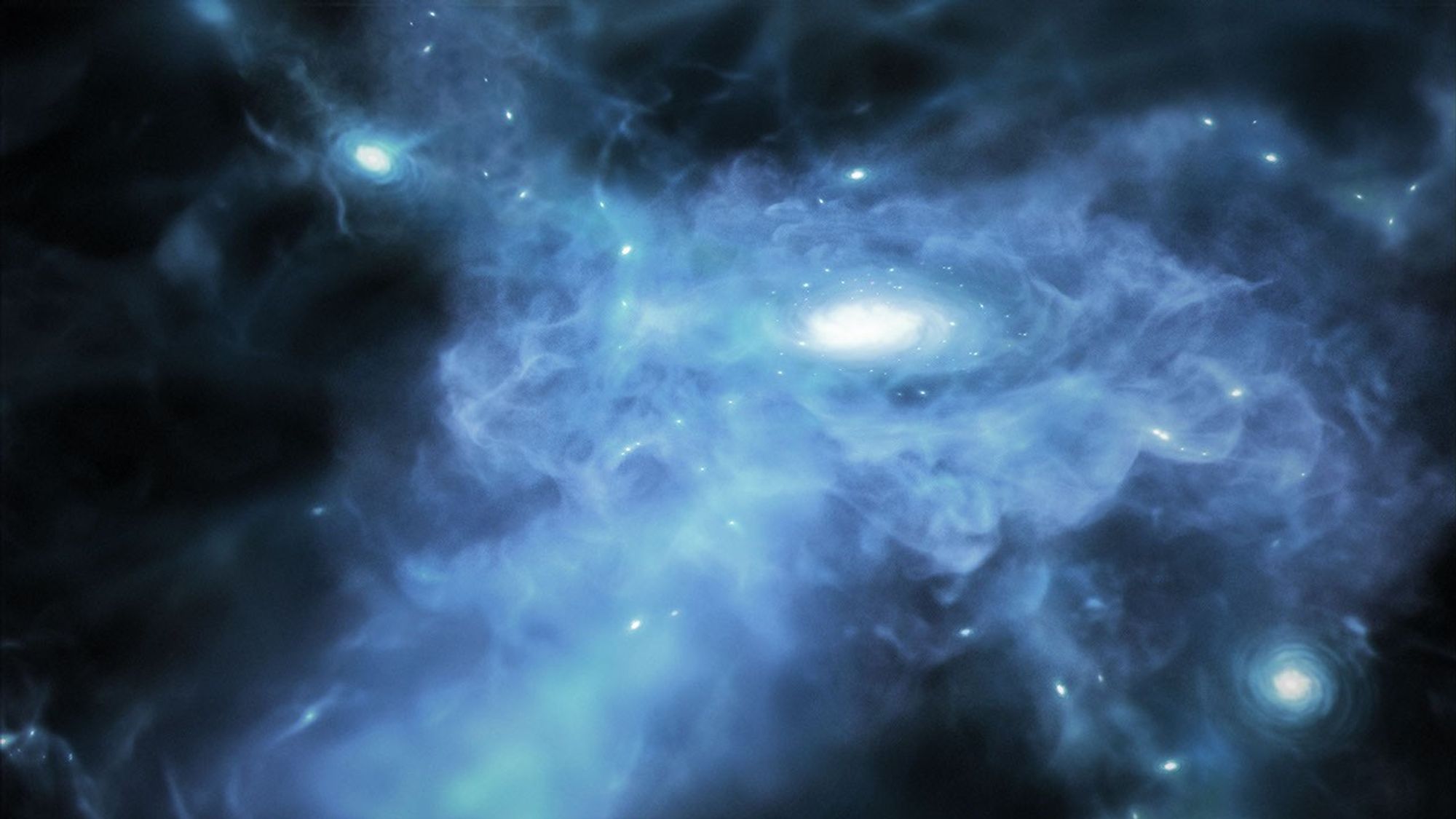
Galaxy Forming in the Early Universe (Artist’s Concept)

Human Evolution and Brevity

If we compress the history of the universe into a single 24-hour day, our sun appears around 4 pm. The Earth forms a little later in the evening, and life emerges around 5:15 pm. The first complex life forms do not appear until late in the evening. Dinosaurs dominated from 11:30 pm to 11:50 pm – barely twenty minutes for their 175 million years of reign. Modern humanity arrived only at 11:59 pm and 59 seconds, in the very last second of this cosmic day. Our written civilization lasts only a blink of an eye at the end of that second. This perspective reveals how recent and fleeting our existence is in the immense cosmic history. Yet, in such a short period of time, we have developed consciousness, art, science, and above all, this unique ability to contemplate and understand the universe that created us.
History of the Universe

Light, Messenger of Time

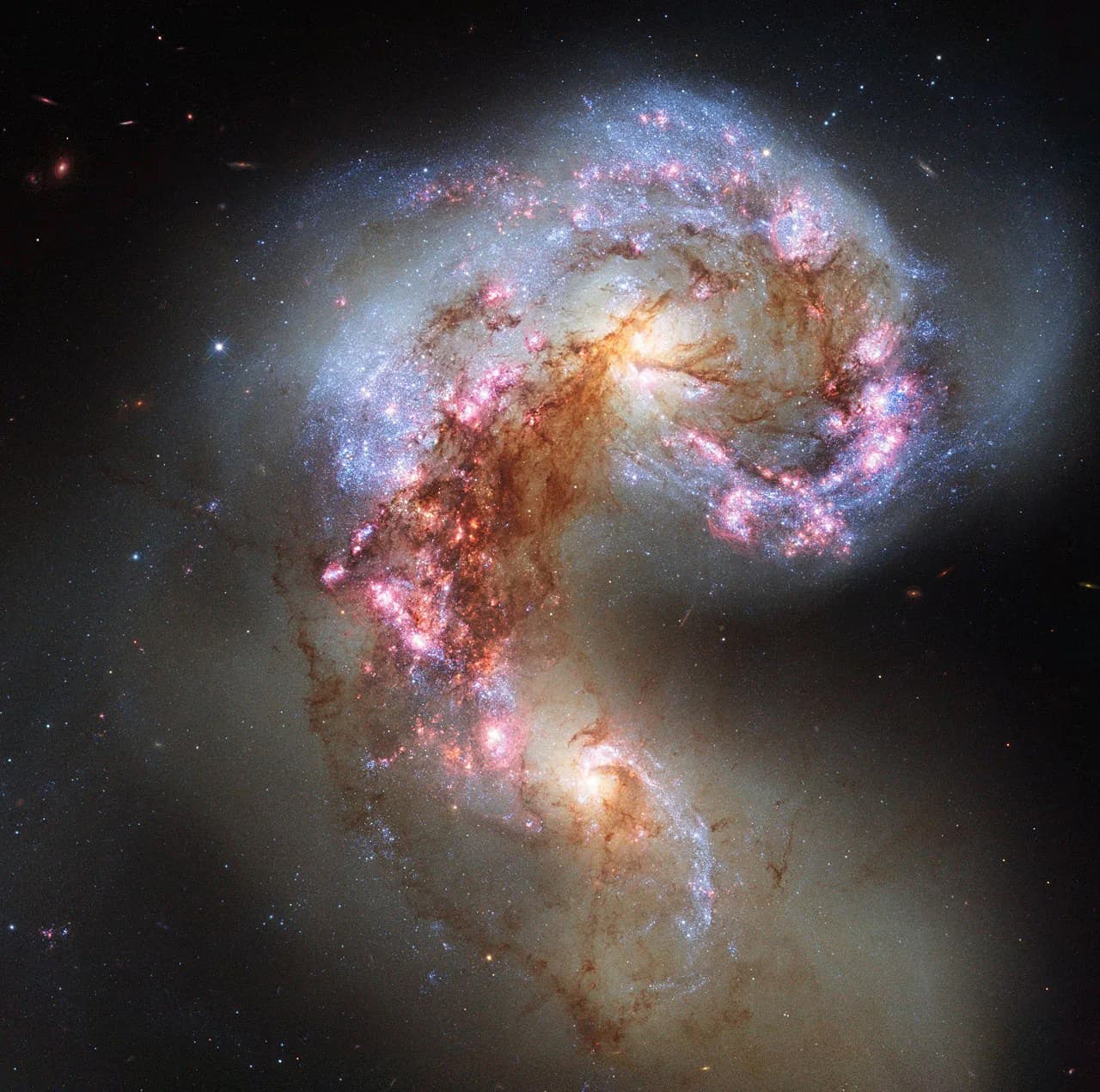
Light travels at 300,000 kilometers per second, a speed that may seem dizzying to us humans, but is nevertheless small on a cosmic scale. When we look at the Sun, we see it as it was 8 minutes ago. The closest star, Proxima Centauri, appears to us as it was four years ago. The Andromeda galaxy shows us its face from 2.5 million years ago. The further we look into space, the further back in time we go. Telescopes become almost like time machines, and each photon that hits our eyes tells us an ancient story about the universe. Observing the cosmos is literally looking at our own cosmic past.
The Andromeda Galaxy
Sources
  • Cosmological data from the Planck space telescope on the age of the universe.
  • Research on stellar nucleosynthesis (work by Fred Hoyle and colleagues).
  • Standardized geological and paleontological time scale.
  • Astronomical measurements of distances and the speed of light (International Astronomical Union).
Seraphinite AcceleratorOptimized by Seraphinite Accelerator
Turns on site high speed to be attractive for people and search engines.