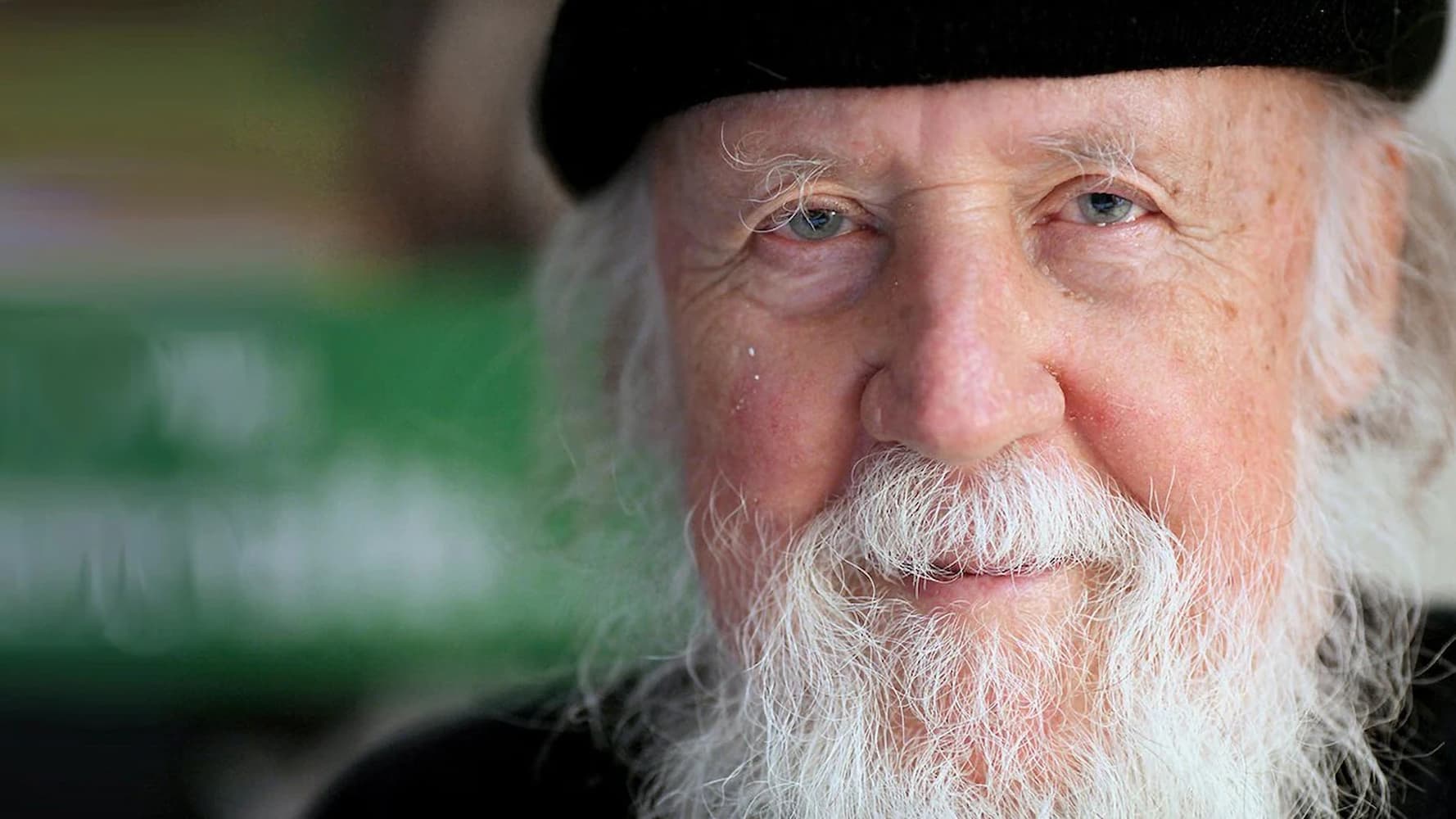
Quebec astrophysicist Hubert Reeves left a mark on generations by poetically popularizing one of the most beautiful discoveries of modern cosmology: we are literally made of stardust. Through his books and lectures, Reeves explains with remarkable elegance how stars, true cosmic alchemists, transformed primordial hydrogen into heavier elements within their nuclear furnaces. The carbon in our cells, the oxygen we breathe, the calcium in our bones, the iron in our blood — all of these atoms were forged in the hearts of giant stars that exploded billions of years ago, seeding space with their enriched matter. This scientific vision, which Reeves presents as a true cosmic tale, reveals our intimate and profound connection with the universe. We are not mere observers of the cosmos: we are its conscious children, capable of contemplating and understanding our own stellar origins.