On Stage
SUB-MENU
Humans and Tools
The Evolution of the Harp
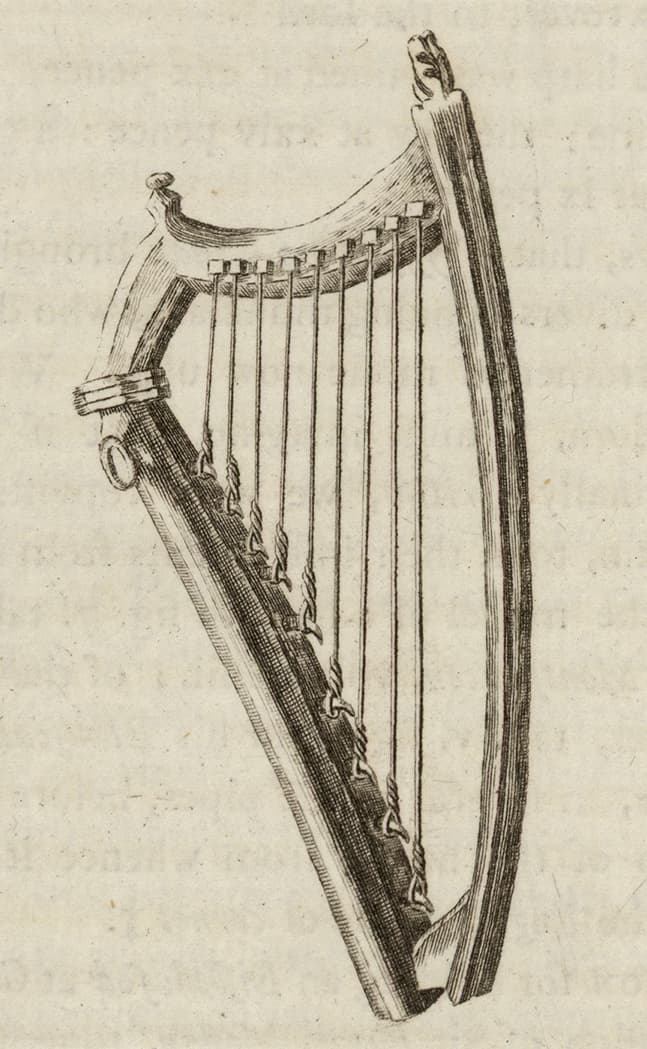
The harp, one of humanity’s oldest stringed instruments, originated more than 5,000 years ago in Mesopotamian and Egyptian civilizations. Initially consisting of a simple musical bow with a few stretched strings, it gradually became more complex over the millennia. Medieval Celtic harps introduced the carved sound box, while the Renaissance saw the birth of the first mechanisms for changing the tension of the strings. The major revolution came in the 18th century with the invention of pedals by Sébastien Érard, finally making it possible to play in all keys. This instrument, which started out as a primitive bow, has become an extraordinarily sophisticated tool of expression, capable of conveying the most subtle nuances of the human soul.
The Development of Telescopes
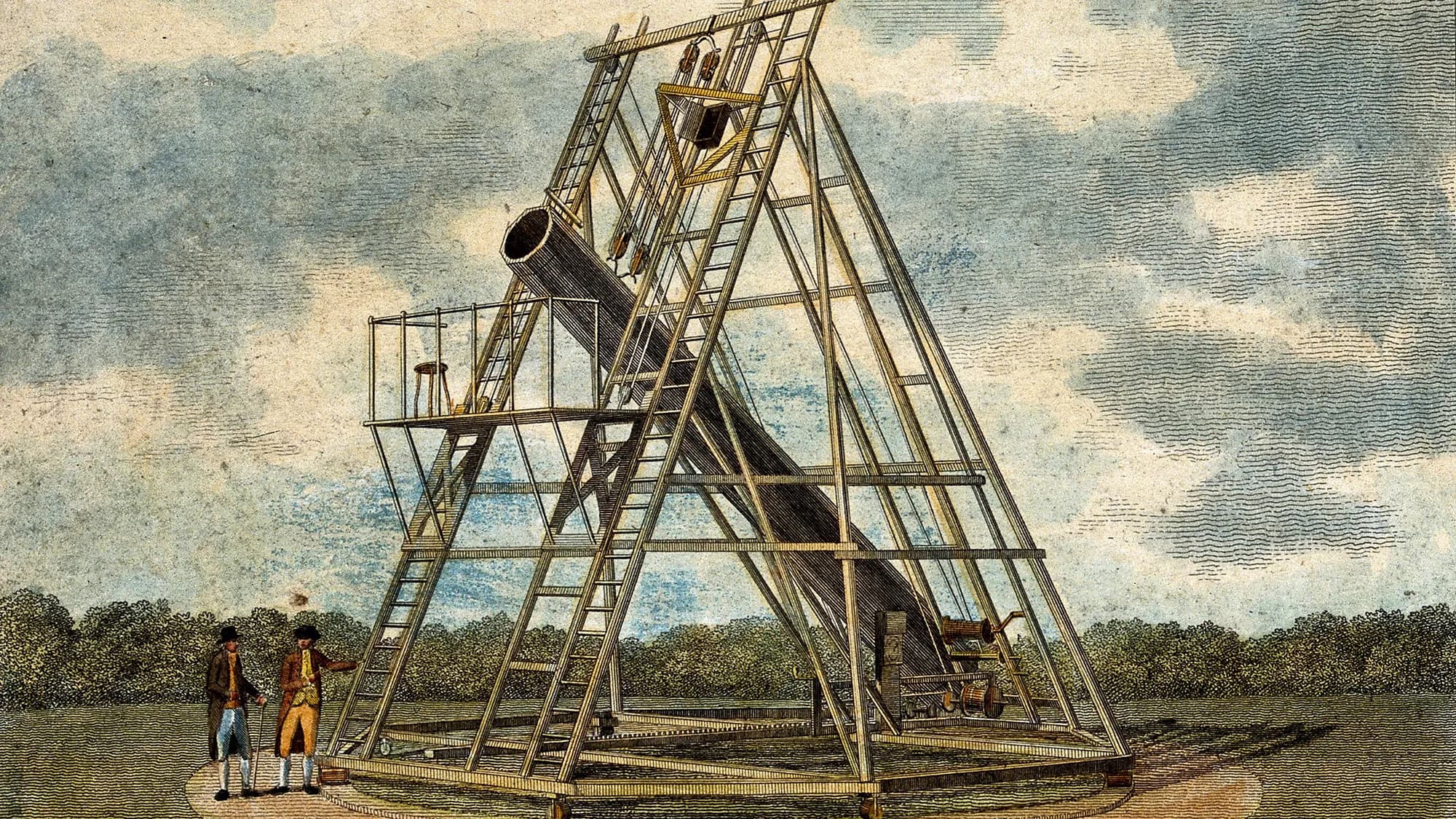
The telescopic adventure began in 1608 with the first Dutch telescopes, simple tubes with two lenses that magnified barely three times. Galileo quickly perfected the invention and became the first to point this tool at the sky, revolutionizing our view of the universe. The following centuries saw the emergence of ever more powerful telescopes: Newton’s reflectors, the giants of Hale and Palomar in the 20th century, and then space telescopes such as Hubble, which escape atmospheric turbulence. Today, the James Webb Space Telescope allows us to see as far back as the first galaxies formed after the Big Bang. In four centuries, we have gone from a magnification of a few times to the ability to observe objects more than 13 billion light-years away.
Europe, a Water Planet
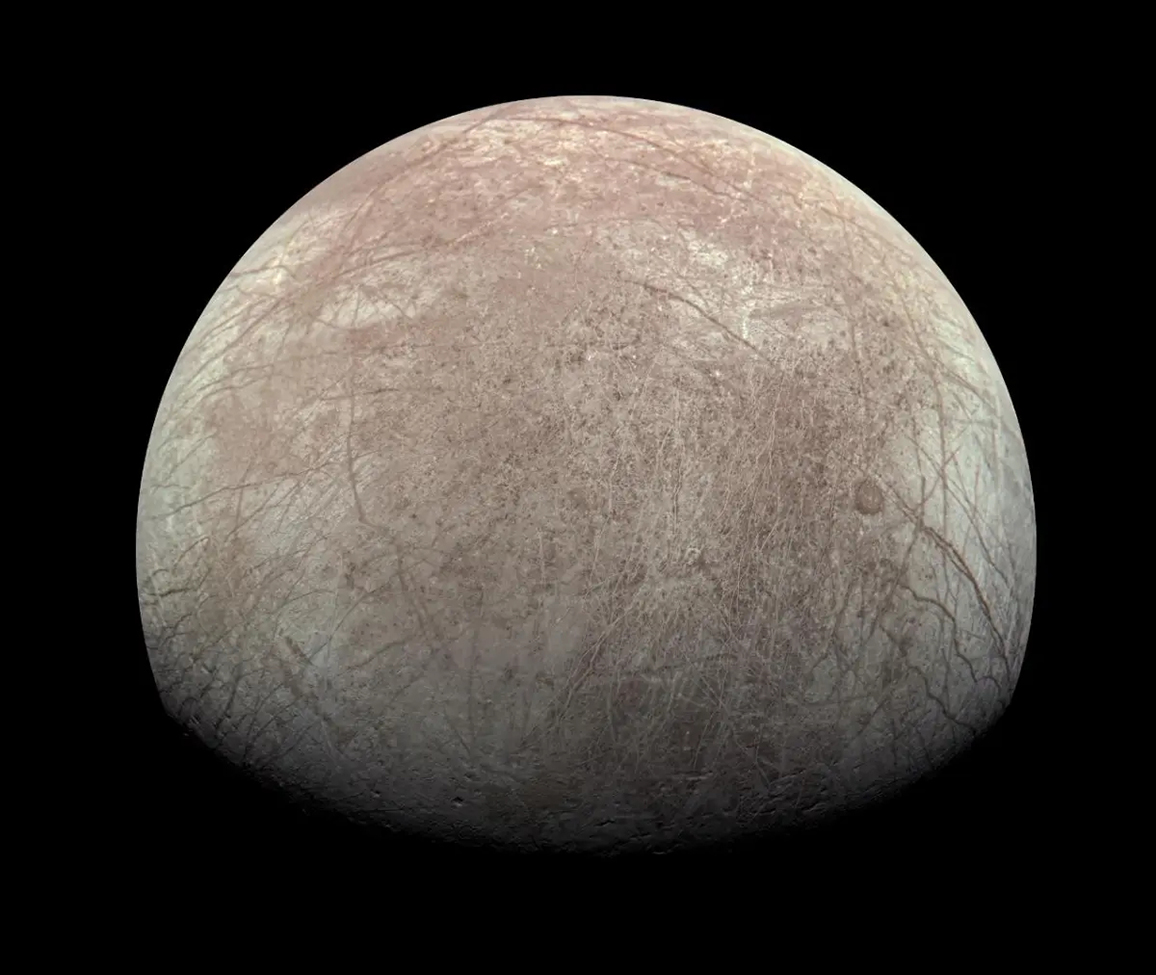
Europe, one of Jupiter’s moons, hides one of the solar system’s most fascinating secrets beneath its icy surface: an ocean of liquid water larger than all of Earth’s oceans combined. This ice crust, 15 to 25 kilometers thick, literally floats on a sea 60 to 150 kilometers deep, kept liquid by the titanic tidal forces exerted by Jupiter. Geysers observed by space probes suggest that this underground ocean could contain twice as much water as Earth’s oceans. This revolutionary discovery places Europa among the most promising candidates for the search for extraterrestrial life, because where there is liquid water, energy, and chemical elements, life could potentially exist.
Sources
- Organological history of the harp (work by Roslyn Rensch and Dominique Devie)
- Chronology of telescopic innovations (Paris and Greenwich observatories)
- Data from the Galileo and Cassini space missions and observations from the James Webb Space Telescope
- Planetary research on Europa (NASA/JPL and ESA)